Welcome to the Car Buying Guide for Franklin FL, created to help Franklin County drivers shop smarter for used cars. Whether you commute along US 98, cruise the coastline near St. George Island, or run errands in Apalachicola and Carrabelle, the right pre owned vehicle can make daily driving easier and more affordable. This guide explains how to set a realistic budget, compare models, check vehicle history, and navigate Florida title and registration steps. You will also learn how to estimate your trade in value, understand finance options, and plan a thorough test drive on local roads. Because Franklin County is coastal, we include tips for spotting flood or corrosion signs and protecting your investment long term. Use the quick links to browse used inventory, schedule service, research models, or start a finance application when you are ready to move forward with confidence.
This Franklin FL car buying guide gives practical steps for first time shoppers, budget focused buyers, and seasoned drivers. Explore how to match features to your lifestyle, avoid common pitfalls, and prepare documents before you visit. You can also compare insurance considerations, warranty choices, and routine maintenance plans for life on the Gulf Coast. When you are ready, use the helpful links below to continue your research.
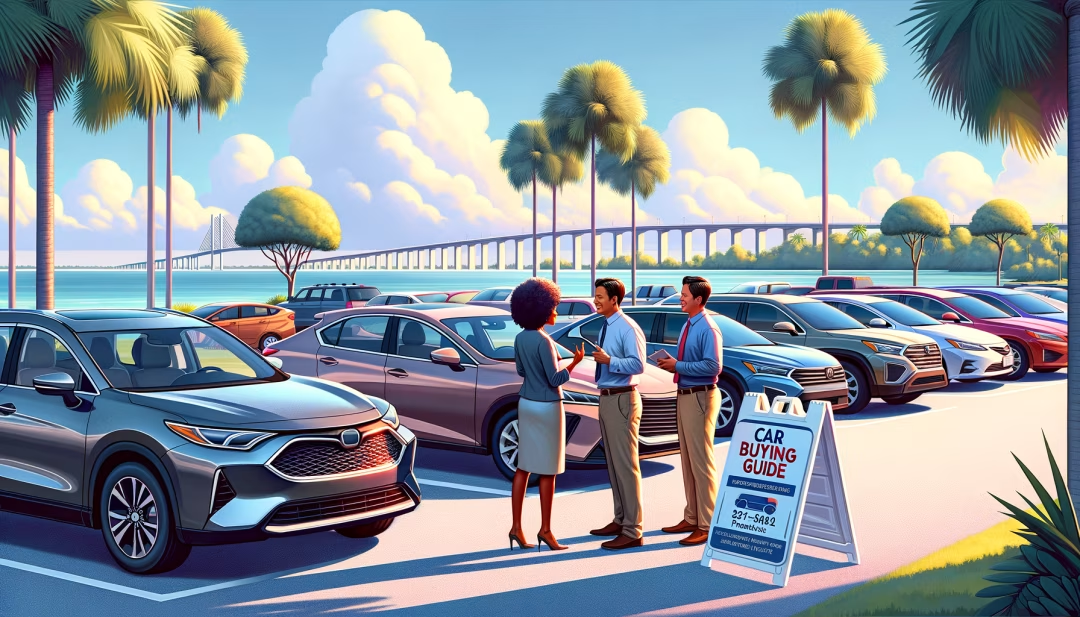
Franklin County has unique driving needs. Coastal humidity, salt air, and seasonal storms can affect vehicles differently than inland areas. That means the best used car for this region is one that fits your budget and stands up well to local conditions. Use this step by step plan to narrow choices, verify condition, and finalize a deal that supports long term ownership.
Start with a monthly number that includes more than the payment. Factor insurance, fuel, registration, taxes, expected maintenance, and a safety reserve for repairs. Franklin County drivers who travel across bridges or along rural stretches should also budget for tires that handle wet roads and occasional debris. A balanced approach helps you find the right price range before you browse vehicles.
Review your credit report, dispute errors, and make on time payments for several weeks before applying. A small down payment can further improve approval odds and reduce interest expense over time. If you are building or rebuilding credit, consider programs designed for unique credit situations and complete an application to understand your options early.
Think about your daily routes and weekend plans. Compact cars are efficient on US 98 and in Apalachicola, while small SUVs offer higher ride height for uneven shoulders and beach gear. If you tow a small boat near Eastpoint or Carrabelle, ensure the vehicle has proper towing equipment, a stable cooling system, and a maintenance record that supports coastal use.
A thorough review of ownership history, service records, and accident data gives you confidence. In a coastal county, take extra care to inspect for corrosion and moisture. Focus on fasteners, frame components, seat track rails, battery terminals, and undercarriage. Look for sand or silt in hidden areas like jack storage, spare tire wells, and weather stripping. Verify that electrical connectors are clean and that exterior lighting shows no moisture inside the lens.
A quality test drive in Franklin County should include low speed residential roads, a stretch of US 98, and a few stops to check parking maneuvers. Listen for suspension noise over uneven surfaces and confirm smooth shifts. On open roads, verify tracking and steering wheel centering. If you drive over bridges, note crosswind stability and braking performance from highway speeds.
A strong trade in offer reduces your sales tax exposure in Florida and lowers your financed amount. Clean your vehicle, gather maintenance receipts, and disclose options or recent services that add value. Provide both keys and the title if available to streamline the process. Get an estimate online, then bring the vehicle for an in person appraisal.
Keep the focus on total cost. Compare annual percentage rate, term length, any lender fees, and your down payment. Shorter terms reduce interest paid overall. Ask about prepayment flexibility and any lender service requirements. If you are newer to credit or rebuilding, look for pathways that reward on time payments and consider warranties that support reliable ownership.
Florida buyers typically need a valid driver license, proof of insurance, and any lienholder information. Title transfer, registration, and taxes are handled according to Florida law. If you have a trade in with an existing lien, bring payoff details. Franklin County residents should confirm local tax rates and any county specific processing steps before finalizing.
Salt air and humidity can accelerate wear. Keep paint protected with periodic washing and waxing, rinse undercarriage after beach area driving, and service brakes on schedule. Inspect weather seals annually and consider cabin air filter changes more often if you drive near sandy areas. Routine checks keep your vehicle feeling newer longer on the Gulf Coast.
A smart used car purchase is about preparation and pacing. Review model histories, test more than one vehicle, and validate pricing with recent local sales. Verify the fit for your daily routes and parking situation. When everything aligns, complete your paperwork with clear numbers and a plan for the first 90 days of ownership.
While Florida does not require annual emissions testing, regular maintenance is still key to reliable commuting. Because Franklin County includes barrier island areas and low lying roads, consider vehicles with strong air conditioning performance, good corrosion resistance, and tires rated for wet traction. If you expect occasional towing to nearby boat ramps, confirm the hitch class, wiring, and cooling system specs on your short list vehicles.
Set reminders for oil changes, brake inspections, and tire rotations. Check your spare tire kit and jack before your first beach weekend. Save digital copies of your finance agreement, warranty documents, and service receipts. If you store your vehicle outdoors, consider a cover that allows airflow and avoid parking under trees that drop sap or debris. These small steps reduce surprises and preserve value.
Continue your research with these resources tailored to car buyers across Florida counties and beyond.
Planning a move or shopping across counties along the Panhandle and Gulf Coast Compare local insights with these regional buying guides.
We are committed to clear pricing, accurate vehicle descriptions, and helpful education for every shopper. You can learn about our team, read helpful articles, and review policies from the links below. Your feedback helps improve this guide for the next Franklin FL driver.